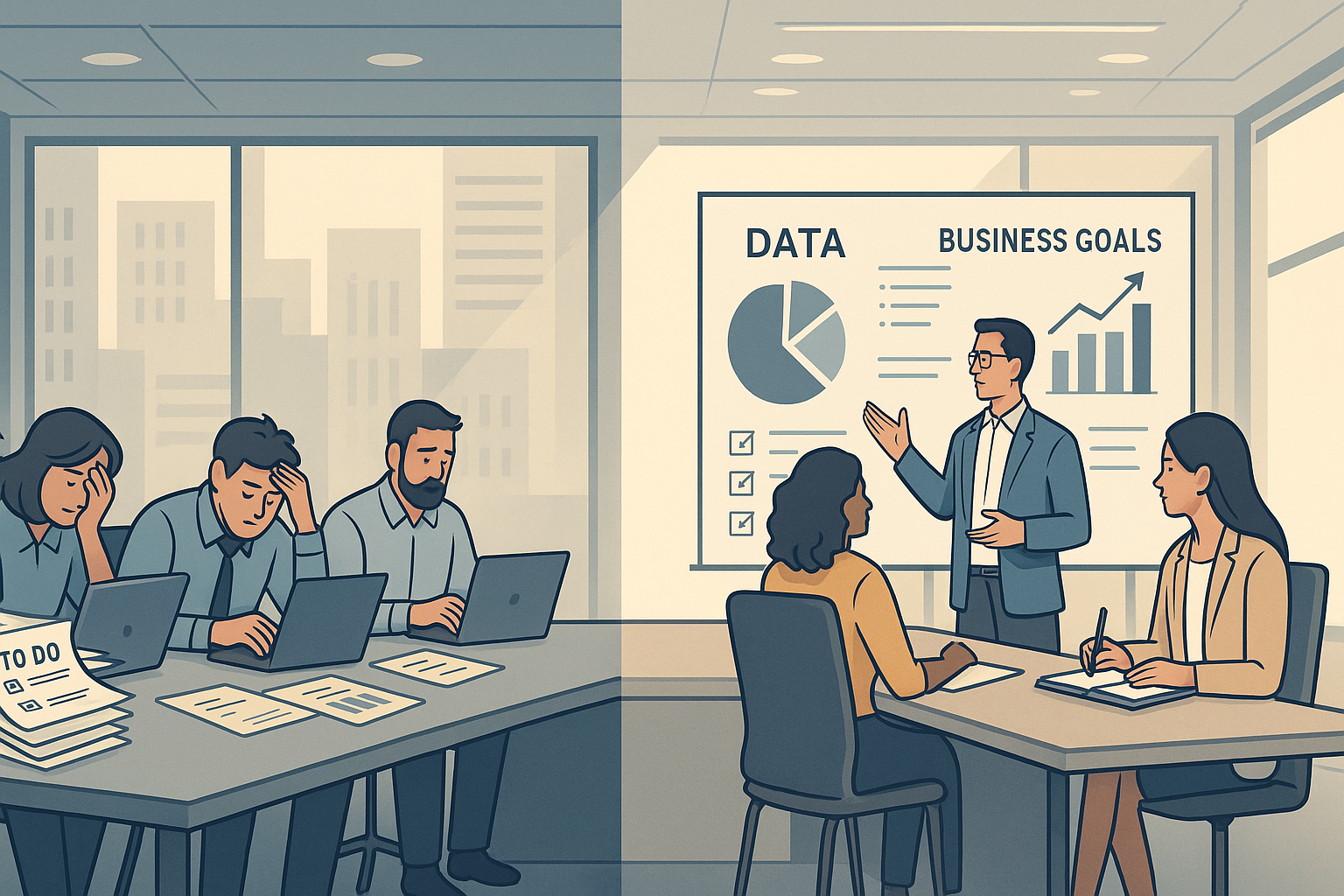
Data Experiences, Not Data Feeds

Most data teams measure success by what they deliver — dashboards shipped, tickets closed, SLAs met. But the real measure is whether the experience you create improves confidence, speed, and quality of decision-making for the people you serve. Inspired by a recent HBR piece on learning from your biggest fans, this post explores what it means to build data experiences, not just data feeds.
Rethinking Data Warehouse Modeling With AI Assistance

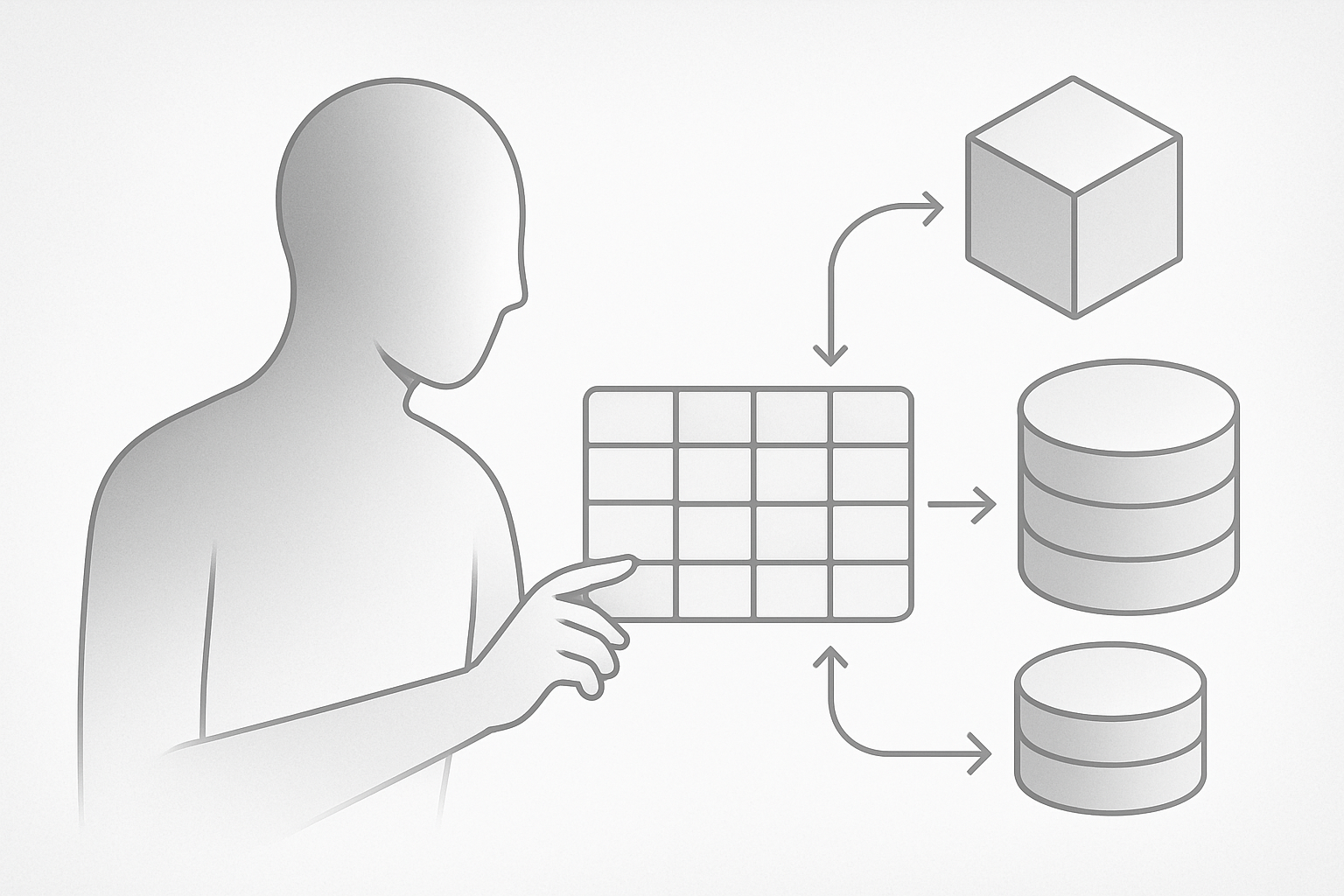
A faster, more reliable way to design complex models using an AI coding assistant and warehouse-integrated validation. Data modeling can be a slow and tedious process. Teams interpret raw schemas, chase down logic across any existing dashboards and SQL files, write and refine transformations, test, debug, and repeat. It works, but most of the time is not spent on modeling. It is spent on mechanics. Lately I have experimented with a workflow that keeps modeling …

Read moreRethinking Data Warehouse Modeling With AI Assistance

Why Overvaluing Industry Experience Limits Innovation in Data Leadership

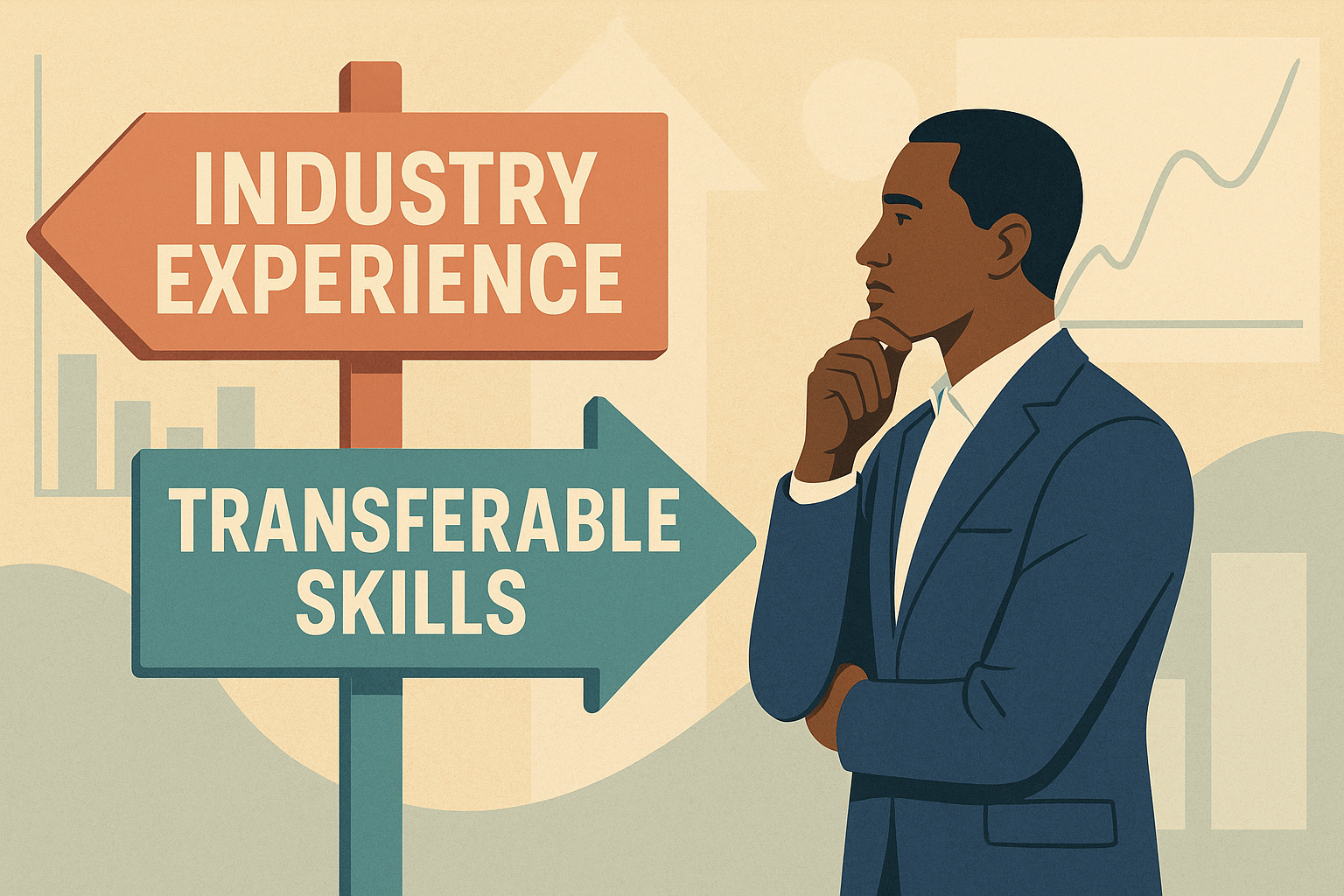
A senior exec once asked me whether my experience with streaming vs. batch processing and customer data platforms “really translates” across industries. On the surface, it’s a fair question. But it reveals a hiring mindset that quietly constrains many companies: the belief that industry experience is the primary predictor of leadership success. The Illusion of Uniqueness Every leadership team thinks their industry is uniquely complex. Sometimes that’s true. Regulatory nuance in healthcare, trading rules in …

Read moreWhy Overvaluing Industry Experience Limits Innovation in Data Leadership

Data Teams Are Not Service Teams

Over time, a lot of data teams drift into a pattern that’s hard to break out of. They become ticket takers, constantly responding to requests, pulling data for one-off questions, fixing dashboards, and explaining why numbers don’t match. It feels helpful at first. But eventually, the work starts to pile up, context starts to disappear, and the team is mostly reacting instead of building anything meaningful. The service model becomes the default, and that’s a …

Read moreData Teams Are Not Service Teams

Structuring Data and Analytics Teams for Impact

As more companies invest heavily in data as they grow, the question of how to structure the data and analytics function becomes increasingly important. It is not just about reporting lines or team charters. Structure influences how effectively data is used, how talent is retained, and how aligned the team is to business priorities. In my experience, I have seen a range of models in action: centralized teams, embedded analysts, and hub-and-spoke hybrids. I have …

Read moreStructuring Data and Analytics Teams for Impact